
Services
Problems where material behavior or fluid flow affects the outcome
We start from the problem you have in your process. We work out what is happening, why, and what can be done about it. We use measurements, analysis or simulation where they help us answer that question.
Problem areas
Our core work is solving problems related to how bulk material behaves and how slurries, liquids and gases flow in processing equipment. These are two areas where clients often bring us in.
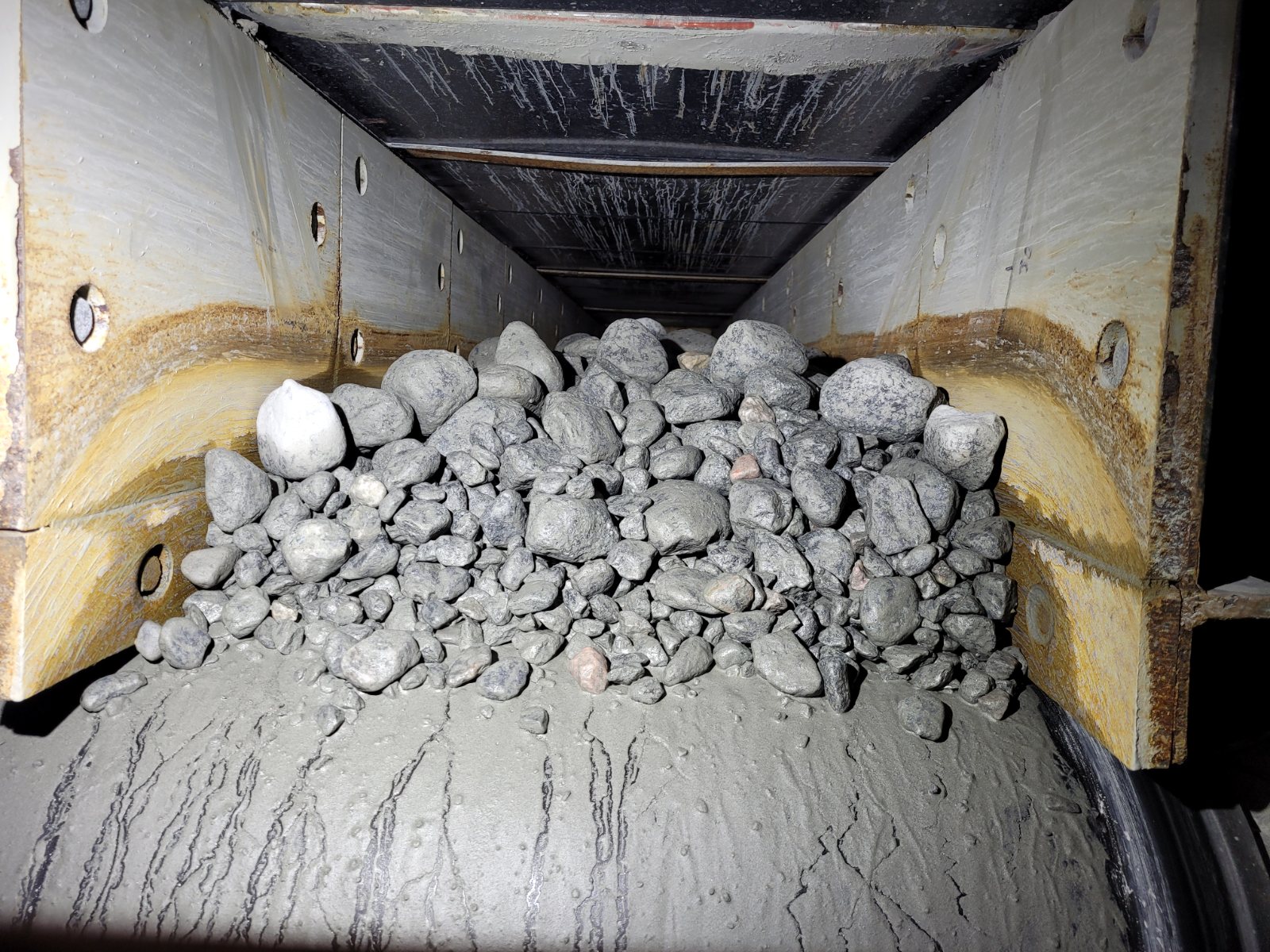
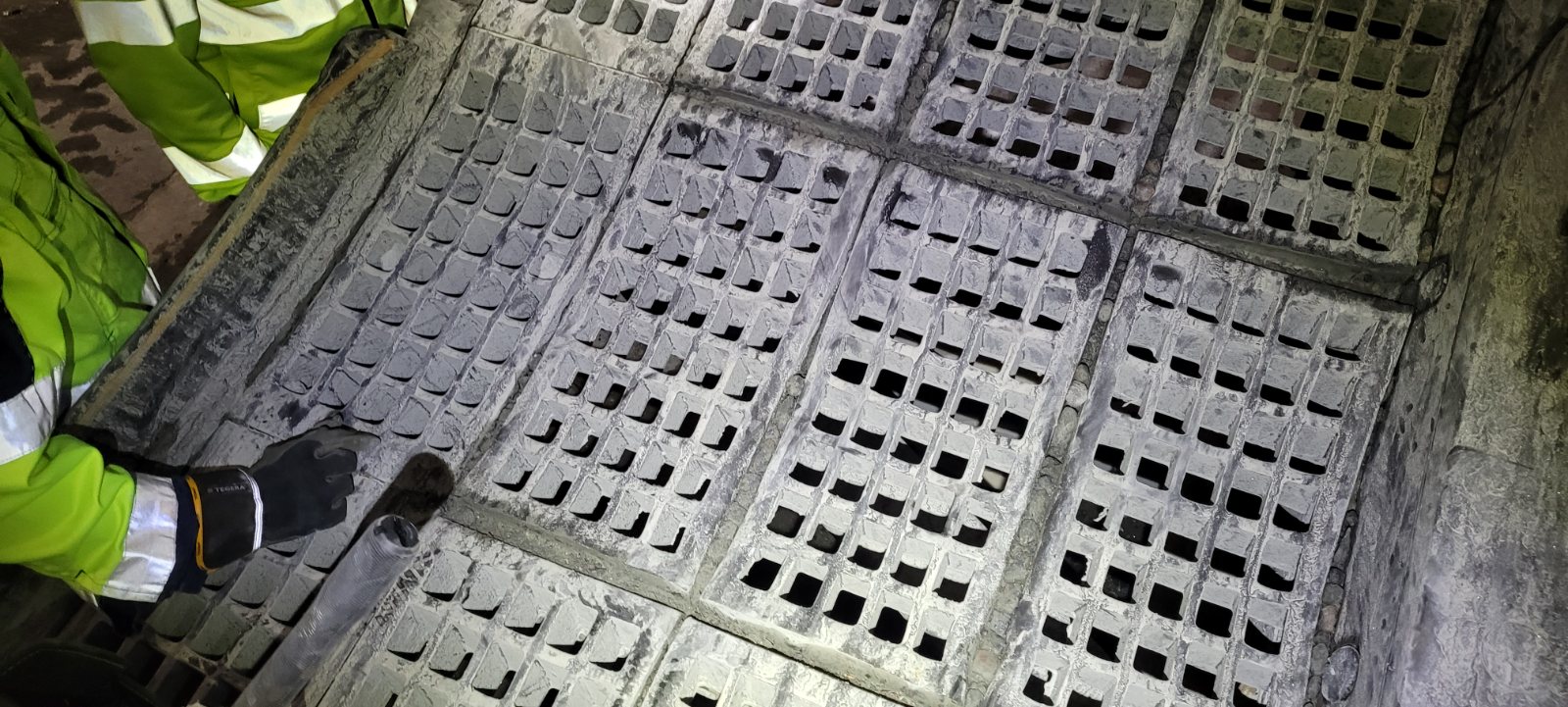
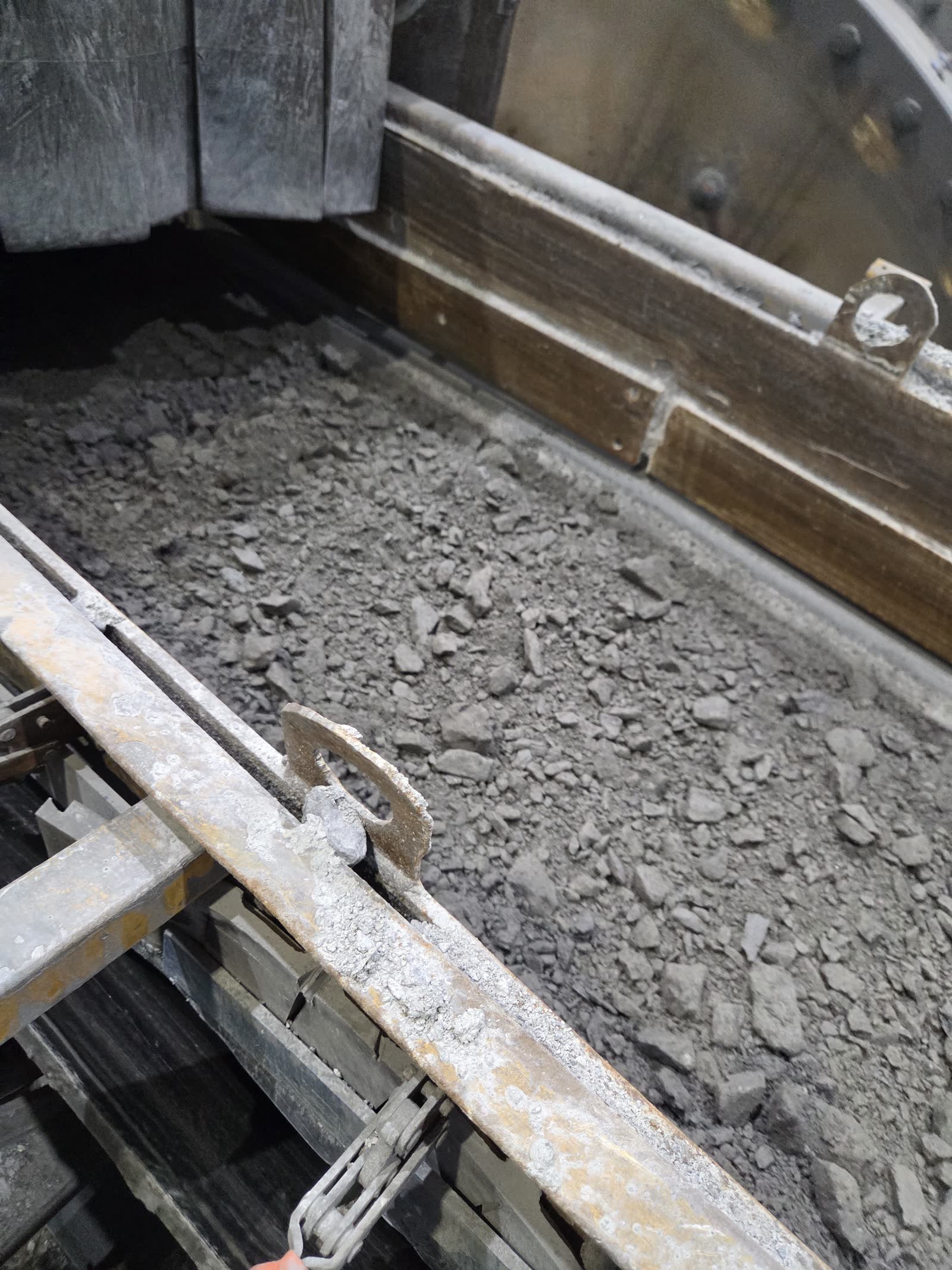
Bulk material and particle flow
Where the material goes, where it wears the equipment, where the dust escapes, and which geometry changes reduce it.
- Blockage, arching, segregation and uneven feed
- Where wear occurs, and how long a lining lasts
- Dust generation, capture and travel through the plant
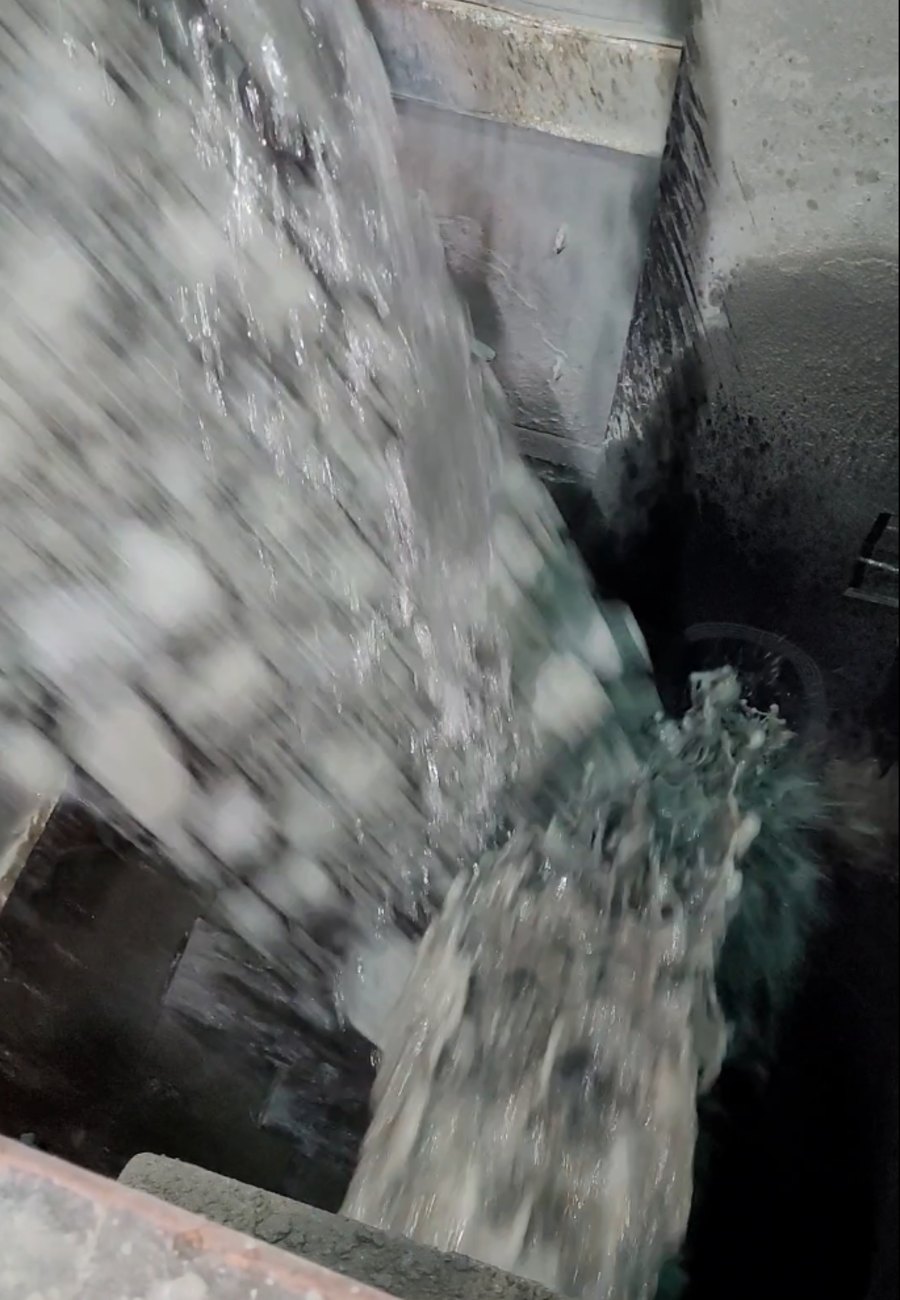
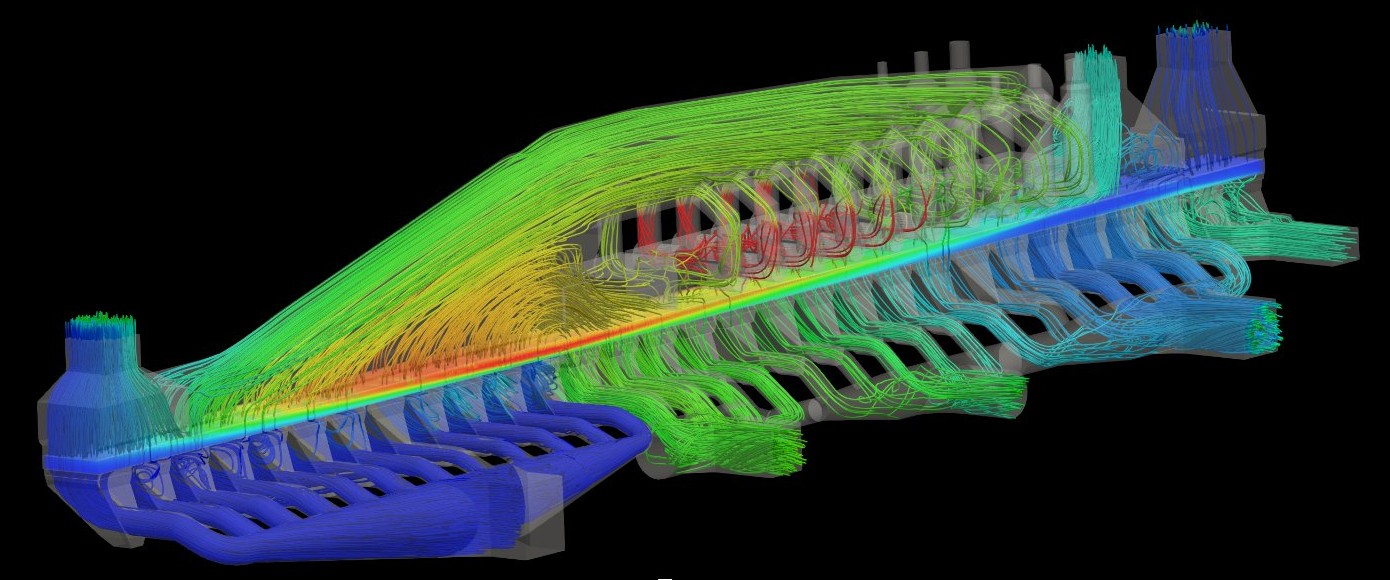
Slurry, fluid and gas flow
Understanding and solving problems related to how fluids (liquids and gases) behave in process equipment.
- Uneven distribution
- Mixing, suspension and settling
- Erosion and wear caused by the flow
- Gas flow, heat transfer and ventilation
Application areas
Equipment and processes we know well
Material transfer points
Chutes, feeders and the transfer points between conveyors and process equipment. We analyze and design transfer points for different material types in the process.
- Chutes and transfer points
- Feeders and discharge
- Wear and impact
- Blockage and build-up
- Dust generation
Sorting
Screens, trommels and classifiers. We work on understanding how material is sorted by size, and how that affects what is sent on in the process.
- Screens
- Trommels
- Classifiers
- Size distribution and scats
- Segregation
- Blinding and blockage
Grinding and mills
Grinding mills are complex systems where charge motion, slurry transport, liner geometry, discharge and operating conditions all interact. Vastec has built experience with grinding mills in the mining industry, combining plant data, measurements, established mill models and simulation to understand what is happening inside the mill, what may be limiting performance, and what can be done to increase it.
- Charge, filling degree, power and torque
- Liner design, wear and charge motion
- Slurry pooling, transport and discharge limitations
- Mill weight, crash stops, inspections, internal scans and filling measurements
- Comminution, classification and separation
Mixing
Mixers, agitated tanks and flotation cells. Mostly slurry flows, sometimes with a gas phase as multiphase flow. From how well solids are kept in suspension to the loads the agitator has to carry.
- Mixing and sedimentation
- Loads on the agitator shaft
- Particle tracing
- Dead and active zones
- Multiphase flow with gas
- Design evaluation
Complex fluid flows
Hot gases, heat transfer and reactions, including gas flow through pellet beds in induration furnaces.
- Hot process gases
- Heat transfer
- Reactions
- Gas flow through pellet beds
Methods
We choose the method based on the question
We start with the most suitable approach that gives a reliable answer, and add complexity when the question needs it.
CFD
Computational fluid dynamics, for liquid and gas flow.
- Slurry, water and process gas
- Mixing, distribution and settling in tanks
- Ventilation and dust dispersion
DEM
Discrete element modeling, for bulk material and particles, calibrated against the real material.
- Dry coarse rock and wet, sticky material
- Wear and impact against equipment
- Coupled with CFD when the flow drives the particles
Experiments and measurement
Site and laboratory experiments, to understand how a material or process behaves, to calibrate models, and to check what they predict against reality.
- Material characterization
- Calibration tests for flow, wear and breakage
- Site experiments and tests
Process knowledge
Hands-on experience of mining and processing plants and of how equipment fits into the wider process, combined with engineering calculation.
- Mass and energy balance
- Interpretation of plant data
- How a change in one step affects the rest of the process
How we work
Understand the problem
Start from the actual process, the operating conditions and what you are seeing.
Investigate what controls it
Use the appropriate combination of engineering analysis, measurements, experiments and simulation to understand the behavior.
Recommend the next step
Explain what the work shows, compare the relevant alternatives, and give you a practical basis for deciding what to do.
If one of these problems looks familiar, tell us what you are seeing
The equipment, the symptom and how long it has been going on is enough to start from.